
联系人:何工
邮箱:abbhke@gmail.com
电话:15859219118
地址: 福建漳州市龙文区漳州风云电气设备有限公司
| 品牌 |
GE |
加工定制 |
否 |
埃斯顿以成型机床数控系统起家,随后将业务扩展到交流伺服系统,并于2012年开始进入工业机器人领域、逐步拓展下游集成应用领域。核心零部件方面,目前公司拥有主要核心零部件和算法基本为公司自研和生产,核心零部件自制率持续提升;此外,公司负载较轻的机器人第5、第6轴均可以使用自主研发的双曲面齿轮减速装置。 从核心零部件算法到本体的发展路径主要优势包括:1)核心零部件自制可以降低本体制造的成本;2)通过逐步提升零部件自制率,可以增加供应链体系的安全可控;3)核心零部件是决定本体性能和产品标准的重要部分,形成较强进入壁垒;4)增加客户粘性,提升后市场服务质量。 综合来看,上游核心零部件仍然是工业机器人产业链盈利能力最强的部分,提升核心零部件自制率,对改善企业的盈利能力和扩展规模保证供应量安全稳定有重要意义。 埃斯顿通过自主研发加外延并购不断完善产业布局,形成核心部件、机器人本体和集成应用全产业链优势。运动控制领域,公司于2017年收购世界运动控制器前供应商之一TRIO,使公司具备为行业大客户提供复杂运动控制解决方案的能力;机器人领域,公司于2016年参股全球三维视觉领域技术企业Euclid,增强公司智能化优势。此外,公司于2017年参股美国Barrett公司,发展协作机器人,把具有学习、感知等能力的机器人应用到公司的数字化智能工厂。 下游领域拓展方面,公司于2016年收购上海普莱克斯,快速推动了公司机器人本体在压铸行业的应用,提升公司产品在压铸机自动化市场的竞争力;2017年,公司收购德国M.A.i.,有利于借助其产品和技术平台,推动机器人集成应用从中低端向中转型;2020年公司完成Cloos公司的并购重组,强化公司焊接机器人优势细分业务,未来将继续保持Cloos在中厚板焊接市场的优势,共同发展前景广阔的机器人激光焊接、激光3D打印市场。 埃夫特:从系统集成到本体 埃夫特源于奇瑞,以系统集成起步,公司从系统集成商逐步拓展到本体和核心零部件的开发制造。公司过去主要通过外延并购快速切入本体和核心零部件,逐步收购CMA、EVOLUT、WFC等海外企业做大做强,逐步拓展喷涂、抛光打磨、切割等应用场景,下游领域覆盖汽车、3C电子、陶瓷卫浴等通用工业。 相比于以零部件起家的企业,目前公司核心零部件自主化率仍较低,但已实现加速提升。2018-2020年,公司控制器自主化率由不足5%提升至接近30%,发展迅速;2017-2020年,公司减速器自主化率从零提升至超过35%。公司通过积极地外延和内生策略,核心零部件自制化率仍有较大提升空间,产品性能有望逐步提升,收敛并赶超海外企业对标产品。 从系统集成发展到本体和核心零部件的发展路径的优势包括:1)对下游客户需求的认知更为充分,产品设计研发更贴合需求端;2)产品售后更为直接,服务效率更高;3)通过逐步向本体和核心零部件拓展,公司盈利能力有望持续改善。综合来看,系统集成商拓展到本体和核心零部件的关键是外延的成果和持续内部的发展,公司在前期关键技术收购阶段较为成功,在部分优势赛道已经确立地位,盈利能力改善可期,国产替代与行业高增长有望驱动公司中长期的高增长。 埃夫特积极推行“共享工厂”模式,即公司在产业聚集区通过与平台或企业合资建立智能共享工厂,并为共享工厂提供智能设备和智能云平台;产业聚集区的中小企业无需进行相关设备投资,可以直接通过智能共享工厂进行加工,优化产能。通过集中服务,共享工厂可以实现规模效应,降低企业生产成本、提高生产效率,为中小企业解决自动化升级难的问题;此外,埃夫特可通过共享工厂积累工艺数据和场景经验,加速机器人产品向通用领域的渗透。 在工业机器人国产替代加速的背景下,两只增速均优于行业平均水平。从不同的方向出发到共同进入国产机器人本体赛道,埃斯顿与埃夫特将在机器人国产化中起到不可估量的作用。
“Billions of better decisions” highlights the role of Industrial IoT solutions in reaching sustainability goals while empowering the industrial workforce
International survey of 765 decision-makers reveals that while 96 percent believe digitalization is “essential to sustainability,” just 35 percent have implemented Industrial IoT solutions at scale
2 percent of companies are increasing investment in Industrial IoT specifically to address sustainability aims
ABB today released the findings of a new global study1 of international business and technology leaders on industrial transformation, looking at the intersection of digitalization and sustainability. The study, “Billions of better decisions: industrial transformation’s new imperative,” examines the current take-up of the Industrial Internet of Things (IoT) and its potential for improving energy efficiency, lowering greenhouse gas emissions and driving change. The goal of the new ABB research is to spur discussion within industry regarding opportunities to leverage the Industrial IoT and empower companies and workers to make better decisions that can benefit both sustainability and the bottom line.
“Sustainability goals more and more are a crucial driver of business value and company reputation, and Industrial IoT solutions are playing an increasingly important role in helping enterprises achieve safe, smart and sustainable operations,” said Peter Terwiesch, President of ABB’s Process Automation business area. “Unlocking insights hidden in operational data holds the key to enabling literally billions of better decisions throughout industry and acting upon them, with significant gains in productivity, reduced energy consumption and lower environmental impact.”
The study, commissioned by ABB, found that an organization’s “future competitiveness” is the single greatest factor – cited by 46 percent of respondents – in industrial companies’ increased focus on sustainability. Yet while 96 percent of global decision-makers view digitalization as “essential to sustainability,” only 35 percent of surveyed firms have implemented Industrial IoT solutions at scale. This gap shows that while many of today’s industrial leaders recognize the important relationship between digitalization and sustainability, the adoption of relevant digital solutions to enable better decisions and achieve sustainability goals needs to accelerate in sectors like manufacturing, energy, buildings and transport.
以下是我司【主营产品】,有需要可以发来帮您对比下价格哦!
〖⒈〗ABB系列产品===PLC模块,可编程控制器,CPU模块,IO模块,DO模块,AI模块,DI模块,触摸屏,驱动器,IGCT。
〖⒉〗Schneider(施耐德电气)系列产品===140CPU系列,140CPE系列,140全系列模块
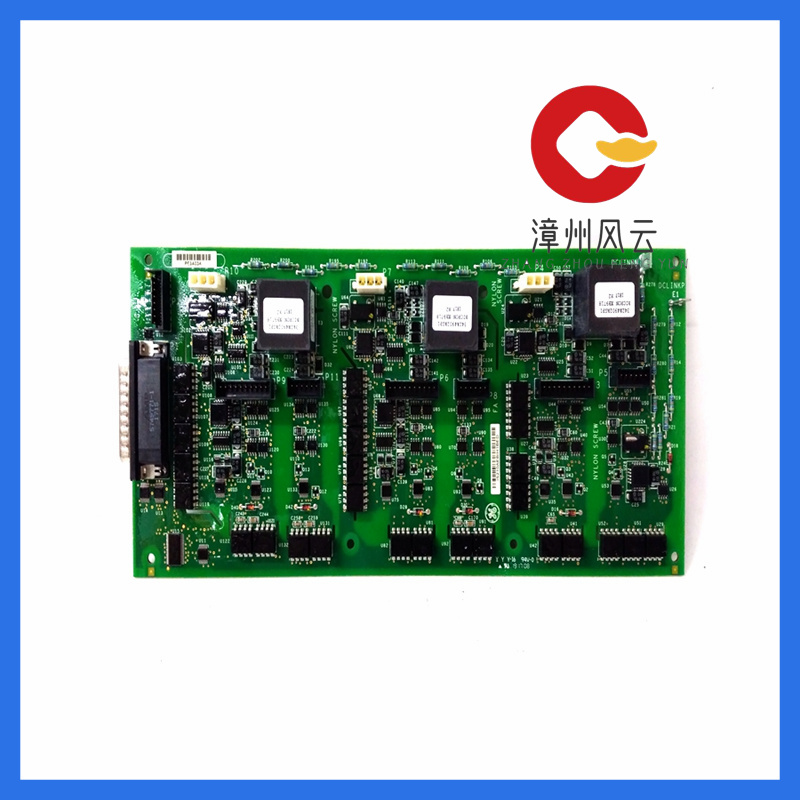
〖⒊〗General electric(通用电气)系列产品===IS200系列,IC693系列,IC695系列,IC698系列,CPU模块及其他GE全系列产品
〖⒋〗Westinghouse(美国西屋)系列产品===1C31系列,5X00系列等 西屋模块。
〖5〗Allen-Bradley(美国AB)系列产品===1756系列,1769系列,AB全系列产品可订货。
〖6〗Invensys Foxboro(福克斯波罗)===FCP系列,FCM系列,FBM系列
〖7〗Bosch Rexroth(博世力士乐)===控制器,驱动器,电机,放大板
〖8〗TRNEX (英维思)===3721 ,3625 ,3101 ,3503E,4351B,等等英维思全系列模块
〖9〗BENTLY (本特利)===3500系列,3300系列等 本特利各系列模块
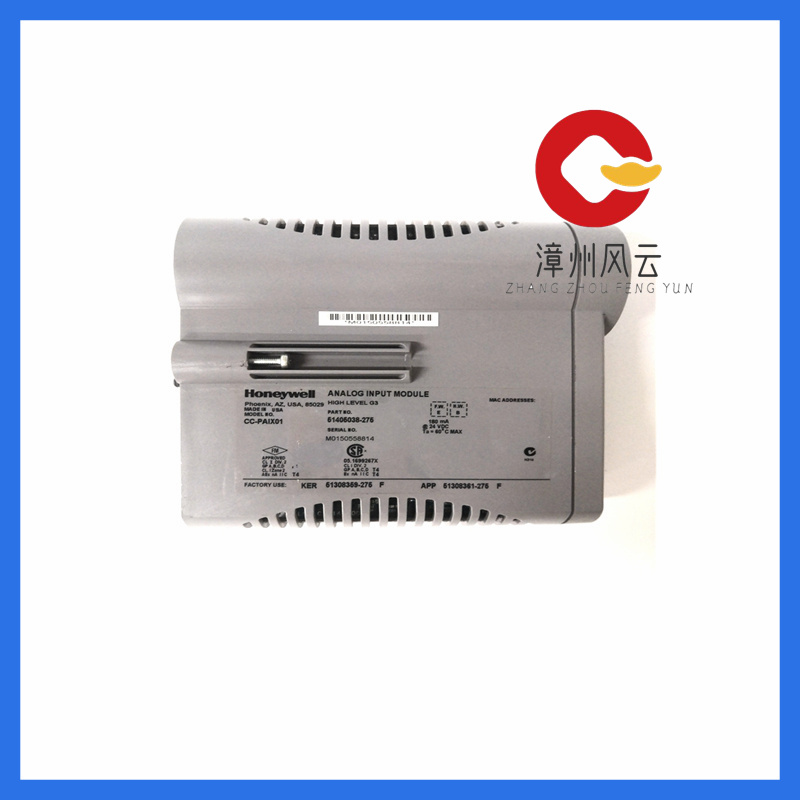
〖10〗HONEYWELL(霍尼韦尔)===CC系列,05701系列,513系列,514系列等,霍尼韦尔各系列模块。
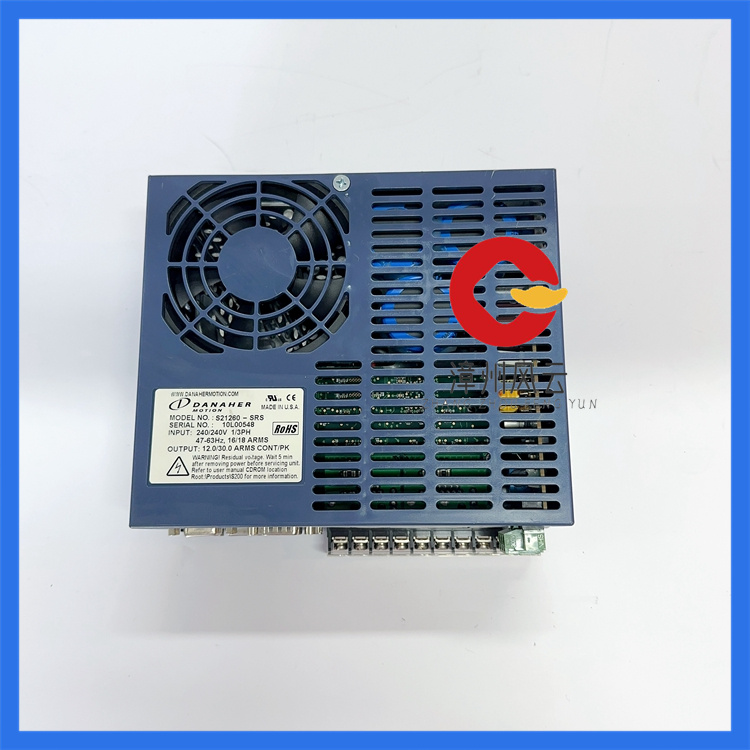
〖11〗KOLLMORGEN(科尔摩根)===S203系列驱动器,6SM系列电机等,各系列驱动器,控制器,电机
更多欧美进口品牌欢迎您来询价,我将会给您一个比同行更美丽的价格,厦门雄霸期待与您长期合作携手共赢!
Win-win scenarios with the Industrial IoT
With 63 percent of executives surveyed strongly agreeing that sustainability is good for their company’s bottom line, and 58 percent also strongly agreeing it delivers immediate business value, it’s clear that sustainability and traditional priorities of Industry 4.0 efforts – speed, innovation, productivity, efficiency, customer-centricity – are increasingly intertwined, opening up win-win scenarios for companies looking to drive efficiency and productivity while making strides on climate change.
“The International Energy Agency2 estimates that industry accounts for more than 40 percent of global greenhouse gas emissions today,” said Terwiesch. “If we are to reach climate objectives such as the UN’s Sustainable Development Goals and the Paris Agreement, industrial organizations need to implement digital solutions as part of their sustainability strategies. Embracing these technologies at all levels – from the boardroom to the facility floor – is key, as every member of the industrial workforce can become a better decision-maker when it comes to sustainability.”
ABB innovations for sustainability
ABB is committed to leading with technology to enable a low-carbon society and a more sustainable world. Over the past two years, ABB has reduced greenhouse gas emissions from its own operations by more than 25 percent. As part of its Sustainability strategy 2030, ABB expects to be fully carbon neutral by decade’s end and to support its global customers in reducing their annual CO2 emissions by at least 100 megatons by 2030, the equivalent of removing 30 million combustion cars from the roads each year.
ABB’s investments in digital capabilities are core to this commitment. With more than 70 percent of ABB’s R&D resources dedicated to digital and software innovations, and a robust ecosystem of digital partners, including Microsoft, IBM and Ericsson, the company has established a leading presence in Industrial IoT.
The ABB AbilityTM portfolio of digital solutions enables a host of industrial use cases to power improvements in energy efficiency, resource conservation and circularity, including condition monitoring, asset health and management, predictive maintenance, energy management, simulation and virtual commissioning, remote support and collaborative operations. Examples of ABB’s more than 170 Industrial IoT solutions include ABB AbilityTMGenix industrial analytics and AI suite; ABB AbilityTM Energy and Asset Manager; ABB AbilityTMCondition Monitoring for Powertrains; and ABB AbilityTM Connected Services for industrial

 15859219118